Essential tips for an organized lifestyle and streamlined week
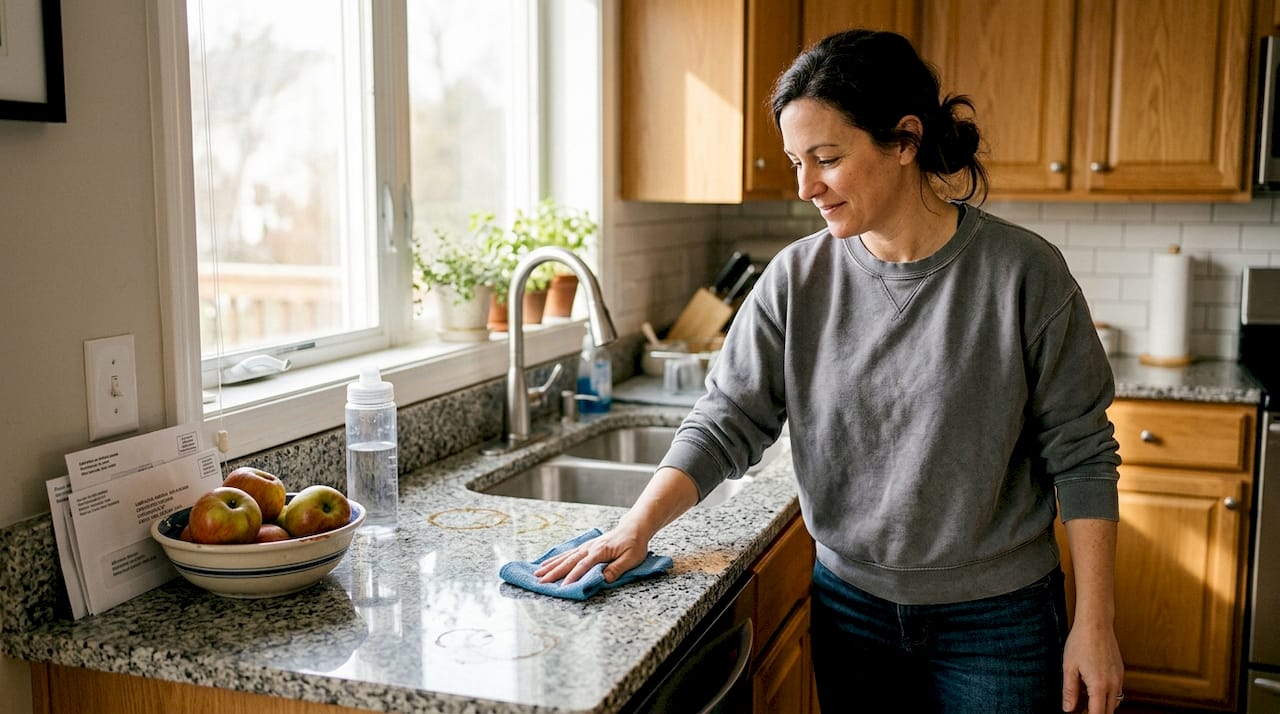
Most people don’t lack the desire to get organized. They lack a system that actually fits their life. Between work deadlines, social commitments, and the general noise of modern living, it’s easy to let routines slide until chaos takes over. The good news: you don’t need a Pinterest-perfect home or a color-coded binder to feel in control. Research consistently shows that the right habits, not the most elaborate ones, are what reduce stress and save you real time each week. This guide breaks down the practical, tested strategies that actually stick.
Table of Contents
- Set the foundation: Criteria for a truly organized lifestyle
- Declutter and assign homes: The 4-box method made simple
- Nightly resets: The secret to stress-free mornings
- Which method fits you? All-at-once vs. daily sessions
- Our take: Why flexible organization always wins
- Make organization effortless with the right tools
- Frequently asked questions
Key Takeaways
| Point | Details |
|---|---|
| Simplicity matters most | Effective organization relies on simple daily habits, not elaborate systems. |
| Decluttering is step one | Use the 4-box method and daily resets to keep living spaces under control. |
| Customize routines | Choose nightly resets or task batching to fit your energy and schedule. |
| Stay flexible | Adjust your approach during busy weeks to prevent burnout or guilt. |
| Digital tools help | Apps and planners can automate and motivate organized routines. |
Set the foundation: Criteria for a truly organized lifestyle
Before you buy a single storage bin or download another app, you need to know what “organized” actually means for your life right now. For someone juggling a demanding job and two kids, organized looks very different than it does for a single professional with a studio apartment. The biggest mistake people make is copying someone else’s system without checking if it fits their reality.
A sustainable organized lifestyle meets three core criteria:
- Easy to maintain on your worst days, not just your best ones
- Fits your current life stage, not the one you’re planning for
- Requires a manageable time investment that doesn’t create more stress than it solves
One of the most underrated concepts in home organization is the one-touch rule: every item you pick up gets put directly in its designated spot, not set down somewhere temporary. This single habit prevents the slow creep of clutter that undoes weeks of effort in just a few days.
“The goal of organization is not to have a perfect home. It’s to have a home that works for you, every single day.”
Pro Tip: During high-stress weeks, give yourself permission to lower your standards. Functional beats beautiful every time. As professional organizing mistakes research confirms, over-organizing leads to abandonment, and simplicity paired with the one-touch rule is what sustains habits long-term.
Focus on core routines over aesthetics. A tidy kitchen counter matters more than a labeled spice rack. Build the skeleton first, then add style later if you want it.
Declutter and assign homes: The 4-box method made simple
Once you’ve established your organizational criteria, it’s time to roll up your sleeves with the most effective decluttering process. The 4-box method is exactly what it sounds like: four boxes, four categories, zero ambiguity.
- Keep — Items you use regularly and genuinely need
- Donate — Things in good condition that someone else would benefit from
- Trash — Broken, expired, or beyond saving
- Relocate — Items that belong in a different room or space
The method works because it forces a decision on every single item. There’s no “maybe” pile, which is where clutter goes to live forever. Once you’ve sorted everything, the next step is assigning a permanent home to each item you kept. This is the part most people skip, and it’s exactly why clutter comes back.
Here’s a counterintuitive tip from professional organizers: don’t buy organizing bins until after you’ve decluttered. Most people do it backwards, buying beautiful containers before knowing what they actually need to store. You end up with bins full of things you should have thrown away.
Statistic to keep in mind: 80% of clutter returns within six months without an active maintenance system. Decluttering is not a one-time event. It’s a practice.
Pro Tip: Build in a daily five to ten minute reset, either in the morning or evening. Walk through your main living areas and return anything out of place to its home. This micro-habit prevents the slow accumulation that makes weekend decluttering sessions feel overwhelming.

Nightly resets: The secret to stress-free mornings
With your space decluttered, nightly routines keep everything under control and your mornings running smoothly. The average person makes hundreds of small decisions before noon. What to wear, what to eat, where the keys are. Each one drains mental energy before the real work of the day even begins.
A nightly reset takes that decision load off your morning self. Here’s what a solid routine looks like:
- 5-minute clean sweep: Walk through common areas and put things back in their homes
- Kitchen reset: Wipe counters, load the dishwasher, prep tomorrow’s coffee
- Outfit selection: Pick what you’re wearing the night before, including accessories
- Tomorrow’s agenda: Write down your top three priorities for the next day
- Paper clutter check: Sort any mail or documents that landed on surfaces
According to organizers’ nighttime routines, establishing habits like five-minute clean sweeps, kitchen resets, outfit planning, and to-do lists are what consistently separate chaotic mornings from calm ones.
“Your morning starts the night before. What you set up at 9 p.m. determines how you feel at 7 a.m.”
The bedroom deserves special attention. Keeping it clear of clutter isn’t just aesthetic. A tidy sleep environment genuinely supports better rest, which feeds directly into your productivity and mood the next day. Even a brief wind-down ritual, whether that’s a meditation app or simply reviewing your list, signals to your brain that the day is done.
Which method fits you? All-at-once vs. daily sessions
Tackling organization isn’t one-size-fits-all. Let’s compare the two most popular approaches so you can pick what will actually last for your personality and schedule.
| Factor | All-at-once (KonMari style) | Daily 15-minute sessions |
|---|---|---|
| Effort level | High, requires full day blocks | Low, fits into existing routine |
| Initial results | Dramatic and immediate | Gradual and cumulative |
| Momentum | Strong at start, can fade | Builds steadily over time |
| Burnout risk | Higher | Lower |
| Best for | Big resets, moving, life changes | Maintenance, busy schedules |
| Sustainability | Moderate | High |
The all-at-once approach, popularized by Marie Kondo’s KonMari method, creates a powerful mindset shift. Seeing your entire wardrobe in one pile forces you to confront what you actually own. That emotional impact can be genuinely motivating. The downside is that it requires large blocks of uninterrupted time, which most people in the 25 to 45 age range simply don’t have on demand.
Daily sessions, on the other hand, work with your life instead of requiring you to pause it. Fifteen minutes a day adds up to nearly two hours a week of intentional organizing without the exhaustion. As professional organizers note, both methods work, but the right choice depends entirely on your current energy levels and life stage.
A few questions to help you decide:
- Do you have a full weekend available in the next month? Consider all-at-once.
- Is your schedule unpredictable week to week? Daily sessions win.
- Are you maintaining an already-organized space? Daily sessions, always.
- Are you starting from scratch after a move or major life change? All-at-once gives you the clean slate you need.
Our take: Why flexible organization always wins
Here’s the uncomfortable truth about organization advice: most of it is written for people who already have their lives relatively together. The systems are beautiful, the before-and-afters are satisfying, and the advice sounds completely reasonable until you’re three weeks into a brutal work project and your kitchen looks like a disaster zone again.
What we’ve found, after watching how real people actually live and organize their weeks, is that the 80/20 rule applies here more than anywhere else. Getting 80% organized, meaning your essentials have homes, your mornings are manageable, and your space is functional, delivers 80% of the peace of mind. Chasing the last 20% of perfection costs far more energy than it returns.
The “flex up/flex down” approach is what actually prevents burnout and guilt. During calm periods, you tighten your systems. During chaos, you lower your standards temporarily and focus purely on functional over aesthetic. This isn’t failure. It’s smart adaptation.
Maintenance matters more than the initial effort. A dramatic weekend declutter that isn’t followed by daily habits will unravel within weeks. But a modest system that you actually keep up? That compounds over months into a genuinely organized life. Bet on the system you’ll maintain, not the one that looks best on paper.
Make organization effortless with the right tools
Building strong organizational habits is half the battle. The other half is having the right support to keep those habits going week after week without burning out or losing motivation.
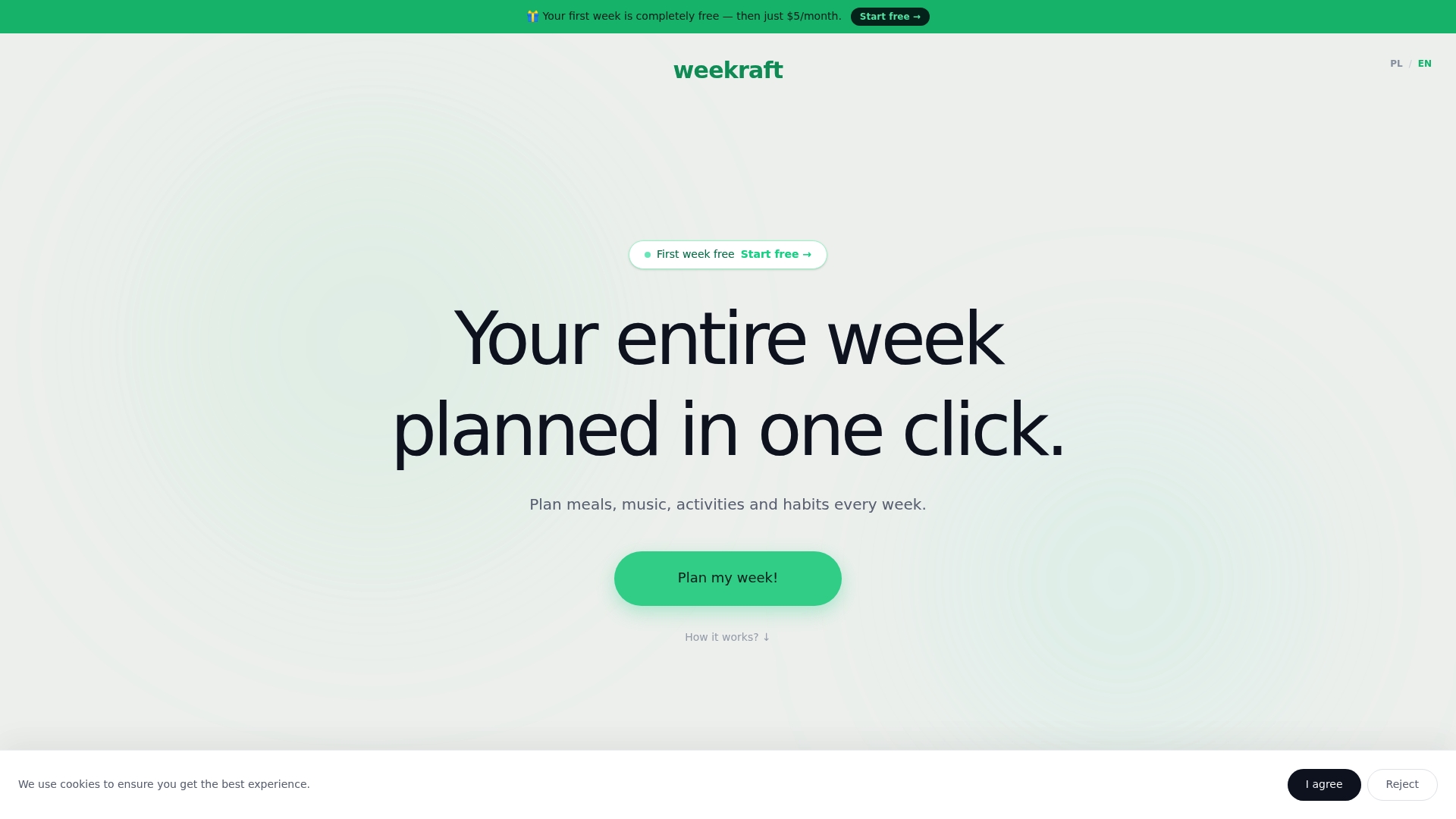
That’s where an AI-powered weekly planner like weekraft changes the game. Instead of spending mental energy figuring out what to tackle each week, weekraft generates a personalized plan for you, covering meals, habits, daily challenges, and even music to keep you energized. It takes the decision fatigue out of planning entirely. The first week is free, and after that it’s just $5 a month. If you’re serious about turning these organizational strategies into a lifestyle, having a smart, gamified system in your corner makes it genuinely enjoyable to stay on track.
Frequently asked questions
What is the 4-box method for decluttering?
The 4-box method involves sorting every item into one of four categories: Keep, Donate, Trash, or Relocate. This systematic approach eliminates the ambiguity that lets clutter linger indefinitely.
How can I prevent clutter from coming back?
Schedule daily or weekly resets, assign every item a permanent home, and practice the one-touch rule consistently. Without active maintenance, clutter returns for most people within six months.
Are nightly routines really effective for productivity?
Absolutely. Even five-minute nightly routines like picking outfits and writing tomorrow’s priorities can dramatically reduce morning stress and sharpen your focus throughout the day.
Which organizing style works best during busy weeks?
During hectic periods, prioritize function over form and aim for good-enough rather than perfect. Lowering your standards temporarily during high-stress times keeps your system alive without adding guilt to your plate.